
The Rising Importance of Immaculate Hotel Hygiene
Cleanliness has always been fundamental to hospitality, but recent global health concerns have elevated hygienic standards to unprecedented levels. Hotels https://www.hotelshahenshah.com/ renowned for spotlessness understand that guests now scrutinize everything from lobby surfaces to remote controls. These properties implement rigorous cleaning protocols that exceed industry recommendations, earning certifications from organizations like the Global Biorisk Advisory Council. Properties such as Mandarin Oriental, Four Seasons, and The Langham have built sterling reputations through transparent cleanliness commitments that reassure even the most cautious travelers.
Advanced Cleaning Technologies and Methods
Leading hotels employ hospital-grade technologies to achieve superior sanitation. Electrostatic sprayers disinfect entire rooms within minutes, coating surfaces with EPA-approved solutions. UV-C light wands sanitize high-touch items including thermostats, telephones, and door handles. HVAC systems utilize MERV-13 filters and ultraviolet germicidal irradiation to maintain pristine air quality. Housekeeping teams use color-coded microfiber cloths to prevent cross-contamination between bathrooms and sleeping areas. Mattresses and pillows feature waterproof, antimicrobial encasements changed between every guest. Some properties now install self-cleaning elevator buttons and touchless faucets throughout their facilities.
Room Cleaning Protocols and Guest Assurance
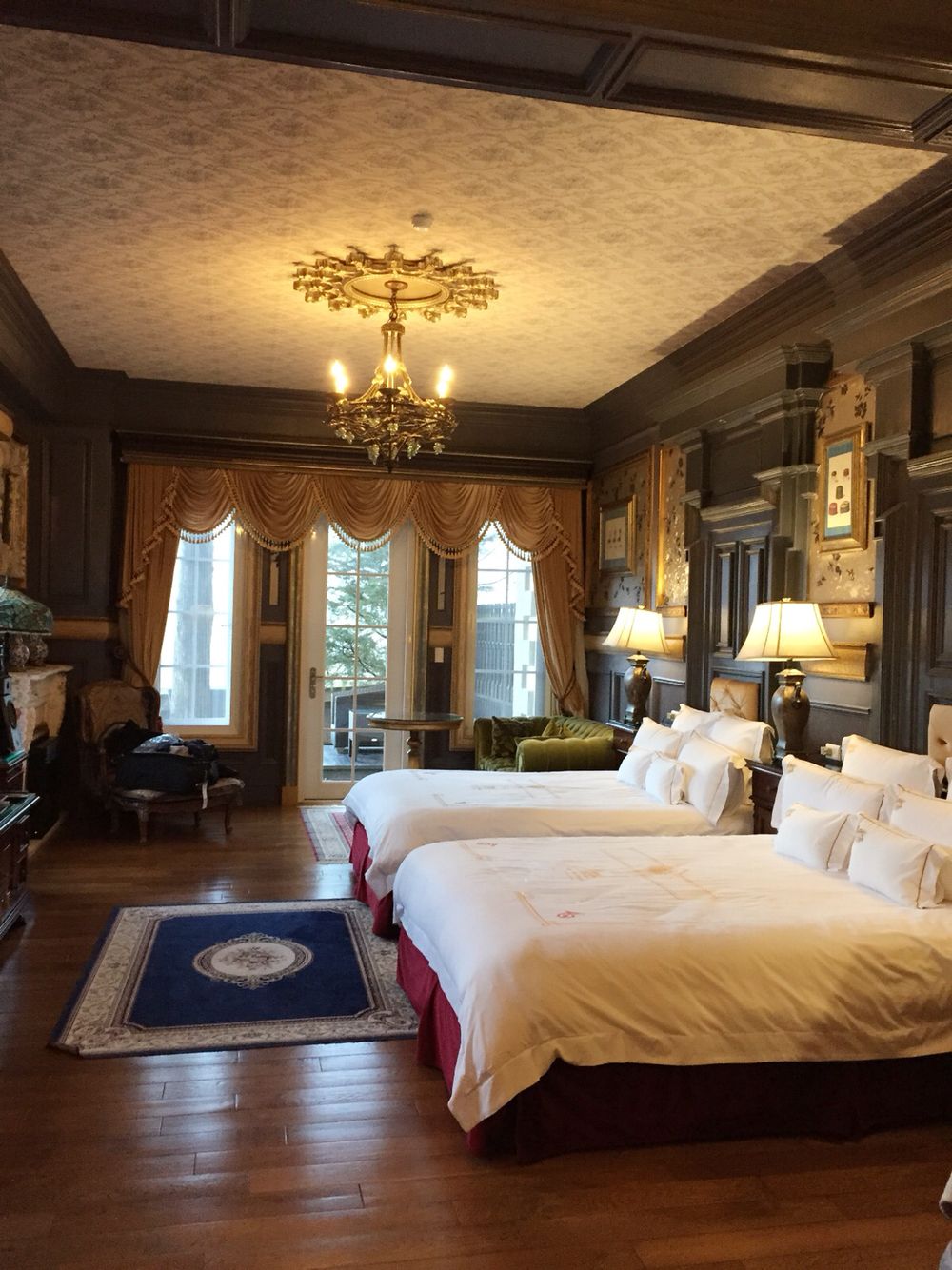
Hotels with exceptional hygiene follow detailed room turnover procedures. Upon checkout, rooms undergo “deep clean” cycles including steam cleaning carpets, fogging entire spaces, and laundering all soft furnishings including decorative pillows and bedspreads. Between guests, high-touch surfaces receive sanitization with documented checklists signed by supervisors. Many properties seal cleaned rooms with tamper-evident tapes or stickers, allowing guests to verify no entry occurred before their arrival. Minibars contain individually wrapped items, and coffee makers are sanitized after each stay. Some hotels offer optional “limited contact” stays where housekeeping only delivers requested items without entering occupied rooms.
Public Area Maintenance and Transparency
Immaculate hotels maintain identical standards throughout all guest-accessible spaces. Lobby restrooms receive sanitization every thirty minutes with digital logging systems. Fitness centers limit capacity and provide individual sanitizing stations for each equipment piece. Pools maintain chemical levels exceeding regulatory requirements, with hourly pH and chlorine testing. Restaurants display kitchen cleanliness scores and use disposable or single-use menus. Front desk counters have sneeze guards, and bell carts are disinfected after each luggage trip. Many properties publish live dashboards showing real-time cleaning status of high-traffic areas like business centers and children’s play zones.
Evaluating Hotel Cleanliness Before Booking
Travelers can assess hotel hygiene standards through several strategies. Look for properties displaying GBAC STAR or similar accreditations requiring ongoing training and auditing. Read recent reviews specifically mentioning cleanliness on platforms like TripAdvisor where guests often post photos. Call the hotel directly to ask about their sanitation protocols, noting how confidently staff respond. Check if the hotel belongs to chains with standardized cleanliness brands like Hilton’s CleanStay or Marriott’s Global Cleanliness Council. Upon arrival, perform a personal inspection checking corners, behind furniture, and air vent cleanliness. Request fresh bedding if any doubts arise. Properties like Park Hyatt, St. Regis, and Rosewood Hotels maintain legendary cleaning standards worth premium rates.